
To support neurotransmitter balance, focus on consuming nutrient-rich foods like fatty fish and plant sources of omega-3s to strengthen brain cell membranes. Include tryptophan-rich foods such as turkey and edamame paired with complex carbs to boost serotonin synthesis. Add protein sources high in tyrosine, like eggs and dairy, to enhance dopamine production. Incorporate fermented foods like yogurt and kimchi to support gut bacteria and neurotransmitter synthesis. Keep a balanced diet to optimize brain health; more details follow.
Key Takeaways
- Incorporate omega-3-rich fatty fish and plant sources like flaxseeds and walnuts to support brain cell membranes and neurotransmitter function.
- Pair tryptophan-rich foods with complex carbohydrates to enhance serotonin synthesis and mood regulation.
- Consume fermented foods such as yogurt, kefir, and kimchi to boost gut microbiota diversity and GABA production.
- Include nutrient-dense foods like garlic, onions, and bananas daily to nourish beneficial bacteria involved in neurotransmitter synthesis.
- Maintain a balanced diet that supports gut health and microbiota diversity, essential for synthesizing over 30 neurotransmitters.
Incorporate Omega-3 Fatty Acids From Fish and Plant Sources
Incorporating omega-3 fatty acids from both fish and plant sources is essential for supporting ideal neurotransmitter function. Fatty fish such as salmon, mackerel, and sardines supply EPA and DHA, critical components of brain cell membranes that facilitate efficient neurotransmitter production. Regular consumption of these fish—at least twice weekly—enhances neurochemical signaling and reduces neuroinflammation. Plant sources like flaxseeds, walnuts, and chia seeds contain ALA, a precursor to EPA and DHA; however, the body’s conversion efficiency is limited, making direct fish intake more effective. Adequate omega-3 intake supports the structural integrity of brain cell membranes, promoting excellent mood regulation, cognitive function, and motivation. Given that approximately 70% of individuals do not meet recommended omega-3 levels, integrating both fatty fish and plant-based sources into your diet is vital. This balanced approach helps maintain neurotransmitter balance, ultimately supporting mental health and cognitive resilience.
Prioritize Tryptophan-Rich Foods to Support Serotonin Production
Consuming tryptophan-rich foods such as turkey, chicken, fish, edamame, and pumpkin seeds can support serotonin synthesis. Pairing these foods with carbohydrate sources enhances tryptophan transport into the brain by increasing insulin levels and reducing competing amino acids. Adequate vitamin B6 intake further optimizes the conversion of tryptophan into serotonin, emphasizing the importance of balanced nutrient consumption.
Tryptophan-Rich Food Sources
Since tryptophan is an essential amino acid that your body cannot produce on its own, obtaining it through diet is crucial for supporting serotonin synthesis and promoting mood regulation. Foods high in tryptophan, such as turkey, chicken, fish, edamame, and pumpkin seeds, are key food sources that support neurotransmitter balance and brain health. Consuming these foods alongside carbohydrate sources enhances tryptophan’s transport across the blood-brain barrier, increasing serotonin production. Adequate protein intake from whey protein, soy, and nuts provides bioavailable tryptophan, aiding in maintaining a healthy mood and reducing anxiety. Prioritizing these tryptophan-rich foods can improve overall brain function and reinforce the importance of dietary amino acids in supporting mental well-being.
Enhancing Tryptophan Absorption
To effectively enhance tryptophan absorption, pairing tryptophan-rich foods with complex carbohydrates is essential, as this combination facilitates greater transport of tryptophan into the brain. Carbohydrate-rich foods trigger insulin release, which promotes the uptake of competing amino acids into muscles, increasing the relative bioavailability of tryptophan. This process improves amino acid transport across the blood-brain barrier, supporting efficient serotonin production. Foods such as turkey, eggs, chicken, and dairy are high in tryptophan, but their absorption is optimized when combined with complex carbs like oats or sweet potatoes. Avoiding high-fat meals immediately after consuming tryptophan-rich foods further enhances amino acid transport. Implementing this dietary strategy can markedly improve tryptophan’s bioavailability and support neurotransmitter balance.
Include Protein Sources High in Tyrosine for Dopamine and Catecholamines
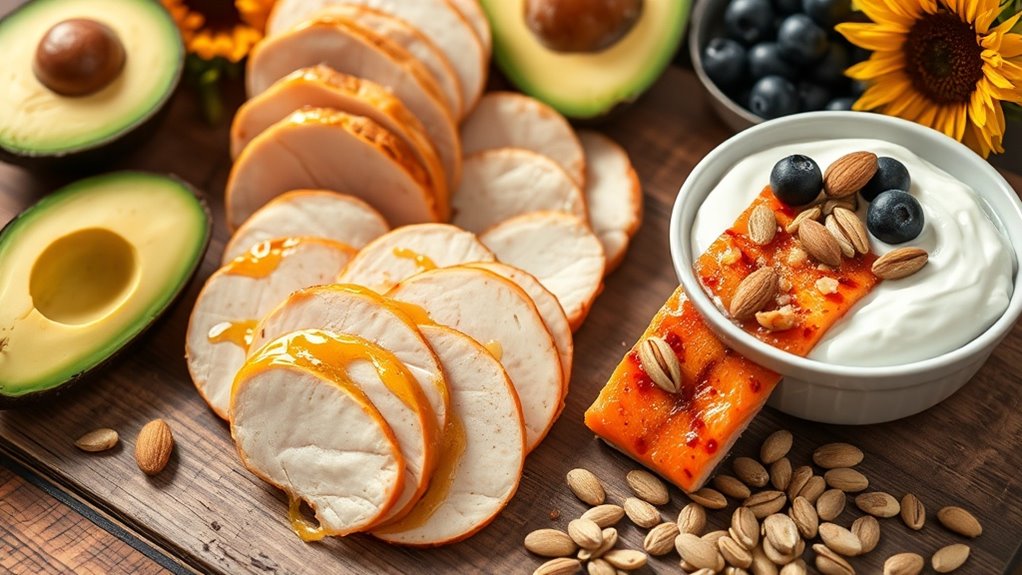
Including protein sources high in tyrosine in your diet can critically support the production of dopamine and other catecholamines, which are essential for motivation, mood, and focus. Consuming foods rich in tyrosine, such as beef, chicken, fish, eggs, and dairy, provides amino acids crucial for neurotransmitter synthesis, enhancing brain function. Plant-based options like tofu, beans, and lentils also supply tyrosine, supporting catecholamine production and overall brain health. To optimize neurotransmitter synthesis, pair these protein sources with carbohydrates, facilitating tyrosine’s crossing of the blood-brain barrier. Here’s a comparison:
| Protein Source | Key Benefits |
|---|---|
| Animal (meat, eggs) | Rich in tyrosine, supports dopamine synthesis |
| Plant (tofu, lentils) | Good plant-based tyrosine sources, promote brain health |
| Dairy | High in amino acids, enhances neurotransmitter production |
| Fish | Contains omega-3s and tyrosine, supports brain function |
| Beans | Tyrosine-rich, beneficial during stress |
Prioritize these sources to support neurotransmitter balance and cognitive performance.
Boost GABA Levels With Fermented Foods and GABA-Enhancing Bacteria
Fermented foods such as yogurt, kefir, sauerkraut, and kimchi contain beneficial bacteria like Lactobacillus species that can produce gamma-aminobutyric acid (GABA) in the gut. These probiotic bacteria influence the gut microbiota, promoting diversity and supporting GABA synthesis, which plays a key role in inhibitory neurotransmission. Elevated GABA levels can help reduce anxiety and enhance relaxation, contributing to improved mental well-being. The gut-brain axis facilitates communication between gut microbiota and the central nervous system, allowing GABA produced in the gut to influence neurotransmitter activity in the brain. Incorporating fermented foods regularly can strengthen this connection, supporting neurotransmitter balance and mood regulation. By fostering a healthy gut microbiota with GABA-enhancing bacteria like Lactobacillus, you can potentially modulate neural pathways involved in stress response and emotional regulation, offering a dietary approach to support overall mental health.
Consume Brain-Healthy Vegetables Rich in Folate and Antioxidants
Building on the benefits of supporting your gut microbiota, focusing on brain-healthy vegetables can further enhance neurotransmitter function and cognitive health. Green leafy vegetables like kale, spinach, collards, and broccoli are rich sources of folate, crucial for neurotransmitter synthesis and mental stability. These vegetables also contain high levels of antioxidants such as beta carotene, lutein, and vitamin C, which help protect brain cells from oxidative stress. Regular intake of B vitamin-rich vegetables has been associated with slower cognitive decline and improved memory. Kale and other dark greens support neuroprotection by reducing inflammation and promoting blood flow to the brain. Incorporating a variety of colorful vegetables ensures you obtain essential nutrients that sustain ideal neurotransmitter activity and overall brain health. Prioritizing these nutrient-dense vegetables can profoundly contribute to maintaining cognitive function and reducing the risk of age-related decline.
Maintain Gut Health With Prebiotics and Fermented Foods to Support Neurotransmitter Synthesis
Supporting your gut microbiome with prebiotics like garlic and onions, as well as fermented foods such as yogurt and kimchi, promotes the production of key neurotransmitters like serotonin and dopamine. A diverse and balanced gut microbiota is essential for ideal neurochemical synthesis, which impacts mood and cognitive function. Maintaining gut health through these foods can help prevent imbalances that may contribute to mental health issues.
Gut Microbiota and Neurotransmitters
Because a balanced gut microbiota is essential for ideal neurotransmitter synthesis, incorporating prebiotic and fermented foods into your diet can substantially influence mental health. The gut microbiota produces over 30 neurotransmitters, including serotonin, dopamine, and GABA, which regulate mood and cognition. Consuming prebiotic foods like garlic, onions, bananas, and leeks nourishes beneficial bacteria, enhancing their ability to synthesize these neurotransmitters. Fermented foods such as yogurt, kefir, sauerkraut, and kimchi introduce probiotic strains that increase gut bacterial diversity, further supporting neurotransmitter production. An imbalance in gut microbiota can impair neurotransmitter synthesis, potentially leading to mood disorders and cognitive issues. Supporting gut health with these foods helps maintain ideal neurotransmitter levels, positively impacting your mood, stress response, and overall brain function.
Fermented Foods and Brain Health
Fermented foods like yogurt, kefir, sauerkraut, and kimchi are rich sources of beneficial probiotics that help maintain a healthy gut microbiome, which is vital for maximum neurotransmitter production. A diverse gut microbiome supports the synthesis of over 30 neurotransmitters, including serotonin and dopamine, directly influencing brain health. Consuming fermented foods enhances the gut-brain axis, promoting better communication between the gut and the brain, and can improve mood, cognitive function, and mental health. These probiotic-rich foods help restore microbiota balance disrupted by various factors, potentially reducing the risk of neurodevelopmental and neurodegenerative conditions. Maintaining gut health through fermented foods is an evidence-based strategy to support neurotransmitter synthesis and overall brain function.
Common Questions
What Foods Are Good for Neurotransmitters?
You should focus on brain-boosting snacks like berries and dark chocolate, which are rich in antioxidants, and include amino acid sources such as eggs, fish, and lean meats to support neurotransmitter synthesis. Incorporate omega-3 fats from fatty fish or walnuts, consume fermented foods for gut-brain health, and choose vitamin-rich options like leafy greens. Don’t forget mineral support from seeds and nuts, stay hydrated, and consider hydration tips for peak brain function.
How to Fix Neurotransmitter Imbalance?
To fix a neurotransmitter imbalance, focus on stress management and sleep hygiene, which support neurochemical regulation. Incorporate regular physical activity and mindfulness practices to boost neurotransmitter production. Maintain proper hydration habits and reduce toxins through a clean diet. Strengthen social connections for emotional well-being and consider supplement strategies like omega-3s or B vitamins, after consulting a healthcare professional, to enhance neurotransmitter synthesis and receptor sensitivity.
What Are the Three Superfoods for Your Brain?
Your three superfoods for your brain are antioxidant-rich berries, omega-3 sources like fatty fish, and leafy greens. Berries serve as brain-boosting snacks, supporting the gut-brain axis and reducing inflammation. Omega-3 fatty acids from fatty fish strengthen neuronal membranes, while leafy greens provide vitamin B intake and mineral support essential for neurotransmitter synthesis. Incorporating these foods guarantees healthy fats, amino acids, and antioxidants to optimize cognitive function and mood.
Which Nutrient Provides the Building Blocks for Neurotransmitters?
Amino acids are the nutrients that provide the building blocks for neurotransmitters, serving as key neurotransmitter precursors. Dietary sources like meats, dairy, soy, and nuts supply these essential nutrients, supporting amino acid synthesis and metabolism. They are crucial for neurotransmitter pathways involved in mood, memory, and alertness. Ensuring adequate intake through diet or amino acid supplementation can optimize neurotransmitter production and overall brain health.
To Sum it up
By choosing nutrient-dense foods like fatty fish, fermented options, and colorful vegetables, you support your brain’s chemistry much like a skilled alchemist. Prioritizing omega-3s, tryptophan, tyrosine, and gut-friendly options can help maintain balanced neurotransmitters, enhancing mood and cognitive function. Remember, consistent, evidence-based dietary choices are your best bet—think of it as your modern-day elixir for mental well-being. Nourish your brain wisely; your future self will thank you.