
To reduce brain inflammation with everyday foods, focus on a nutrient-dense, anti-inflammatory diet emphasizing colorful fruits and vegetables high in flavonoids, like berries and leafy greens. Incorporate omega-3-rich fatty fish such as salmon and support with healthy fats like olive oil and avocados. Limit processed foods and refined carbs, and enhance meals with anti-inflammatory herbs like turmeric and ginger. Choosing these habits consistently promotes long-term neural health; more specifics await your attention.
Key Takeaways
- Incorporate colorful fruits and vegetables like berries, kale, and peppers to boost antioxidants and reduce neuroinflammation.
- Consume fatty fish such as salmon or mackerel twice weekly to supply omega-3s that support brain health.
- Use anti-inflammatory herbs and spices like turmeric, cinnamon, and ginger to lower cytokine levels and neural inflammation.
- Replace processed foods and refined carbs with whole, unprocessed options to prevent blood sugar spikes and inflammatory responses.
- Drink green tea, turmeric drinks with piperine, and herbal teas regularly to provide antioxidants and support long-term brain protection.
Incorporate Colorful Fruits and Vegetables Rich in Flavonoids
Incorporating a variety of brightly colored fruits and vegetables into your diet is a strategic approach to reducing brain inflammation due to their high flavonoid content. Flavonoids, a class of phytochemicals, possess potent anti-inflammatory and antioxidant properties that protect neural tissue. Consuming diverse fruits and vegetables, such as berries, red cabbage, and bell peppers, maximizes intake of multiple flavonoid subclasses, which collectively support cognitive health. Anthocyanins, found in blueberries, blackberries, and cherries, are particularly effective at lowering inflammation in neural pathways. Including at least three servings of colorful vegetables daily—like kale, carrots, and tomatoes—further enhances flavonoid consumption, providing critical antioxidants that mitigate oxidative stress and prevent neurodegeneration. This diet not only reduces inflammation but also fortifies brain cell integrity, helping to sustain cognitive function over time. Ultimately, a “rainbow” diet offers a scientifically grounded method to bolster brain resilience through bioactive phytochemicals.
Prioritize Fatty Fish and Omega-3 Sources
Incorporating fatty fish into your diet guarantees a consistent intake of omega-3 fatty acids, particularly DHA, which constitutes a significant component of brain tissue. These nutrients play a vital role in reducing neuroinflammation, maintaining cell membrane integrity, and supporting cognitive functions. Regular consumption of omega-3-rich fish has been scientifically linked to decreased oxidative stress and a lower risk of neurodegenerative disorders.
Omega-3 Benefits for Brain
Fatty fish such as salmon, mackerel, and sardines are among the most effective dietary sources of omega-3 fatty acids, specifically DHA and EPA, which are critical for maintaining ideal brain function. These omega-3s enhance brain health by integrating into neuronal membranes, promoting synaptic plasticity and efficient neurotransmission. They also help mitigate neuroinflammation by modulating cytokine production and reducing inflammatory markers in neural tissue. Elevated neuroinflammation is linked to cognitive decline, and increasing omega-3 intake can counteract these effects, supporting cognitive function. DHA, in particular, plays a crucial role in sustaining brain integrity and communication between neurons. Regular consumption of fatty fish ensures adequate intake of omega-3 fatty acids, thereby promoting excellent brain health and reducing inflammation-driven neurodegeneration.
Include Fatty Fish Regularly
Regular consumption of fatty fish such as salmon, trout, and sardines is a practical strategy to guarantee adequate intake of omega-3 fatty acids, particularly DHA, which supports brain cell integrity and function. Consuming these sources at least twice weekly enhances neural repair, improves blood flow, and reduces brain inflammation. This intake is linked to the preservation of cognitive function and a lower risk of neurodegenerative diseases. Incorporating fatty fish provides a rich supply of DHA, essential for maintaining the fluidity and structural integrity of brain cell membranes. Regular intake helps mitigate oxidative stress and pro-inflammatory cytokines, supporting overall neural health and resilience. To optimize benefits:
- Prioritize fatty fish in your diet
- Aim for at least twice-weekly servings
- Focus on DHA-rich options
- Combine with other anti-inflammatory foods
Choose Healthy Fats Like Olive Oil and Avocados
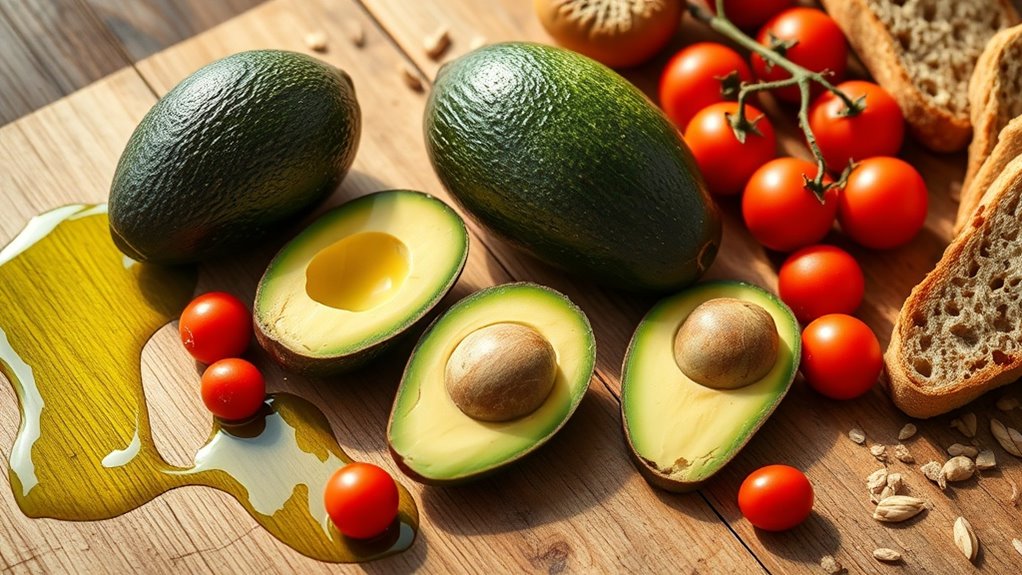
Incorporating healthy fats such as extra virgin olive oil and avocados can directly influence brain inflammation by providing anti-inflammatory compounds and supporting cellular integrity. These fats, rich in monounsaturated fatty acids and antioxidants, help modulate inflammatory markers like CRP and IL-1β. Replacing omega-6-heavy processed oils with these options can enhance neural function and reduce neuroinflammatory risk.
Heart-Healthy Fats
Since they enhance endothelial function and improve cerebral blood flow, heart-healthy fats such as olive oil and avocados are essential for reducing brain inflammation. These healthy fats contribute to vascular integrity and support ideal brain health by decreasing inflammatory markers like IL-1β and CRP. Olive oil contains oleocanthal, a compound mimicking anti-inflammatory drugs, directly reducing inflammation. Avocados are rich in monounsaturated fats that promote endothelial function and lower systemic inflammation. Incorporating these foods can:
- Support endothelial health
- Improve cerebral blood flow
- Decrease inflammatory markers
- Protect against cognitive decline
Anti-Inflammatory Benefits
Choosing healthy fats such as olive oil and avocados offers significant anti-inflammatory benefits for brain health. These foods contain monounsaturated fatty acids that actively reduce inflammation markers linked to neurodegenerative diseases. Extra virgin olive oil’s oleocanthal mimics pharmaceutical anti-inflammatory agents, supporting cognitive function. Avocados contribute potassium, magnesium, and fiber, which work synergistically to lower IL-1β and CRP levels. Incorporating these plant-based oils and fats into your diet can enhance brain cell integrity and mitigate inflammation-related damage. The table below illustrates their key components and benefits:
| Food | Key Nutrients | Anti-Inflammatory Effect |
|---|---|---|
| Olive Oil | Oleocanthal, monounsaturated fats | Inflammation reduction, neuroprotection |
| Avocados | Potassium, magnesium, fiber | Lower inflammatory markers |
| Plant-based oils | Monounsaturated fats | Supports brain health |
| Overall | Healthy fats, antioxidants | Combats neurodegenerative diseases |
Limit Processed Foods and Refined Carbohydrates
Reducing intake of processed foods and refined carbohydrates is essential for minimizing brain inflammation, as these dietary components trigger blood sugar fluctuations that activate inflammatory pathways. High consumption of sugar-laden snacks, white bread, and fast foods overloads cellular processes, generating free radicals that damage brain cells and DNA, perpetuating inflammation. These foods also supply omega-6 fatty acids, which promote inflammatory responses in neural tissues, impairing brain health. Moreover, regular intake correlates with elevated inflammatory cytokines like IL-6 and TNF-alpha, reducing cognitive function. To combat this, consider:
- Limiting processed foods and refined carbs to stabilize blood sugar levels
- Choosing whole, unprocessed foods to support anti-inflammatory responses
- Monitoring intake of omega-6 rich foods to prevent excessive inflammation
- Incorporating nutrient-dense options that bolster brain resilience against inflammatory damage
Adopting these strategies can notably lower inflammation, thereby enhancing overall brain health and cognitive function.
Use Herbs and Spices With Natural Anti-Inflammatory Properties
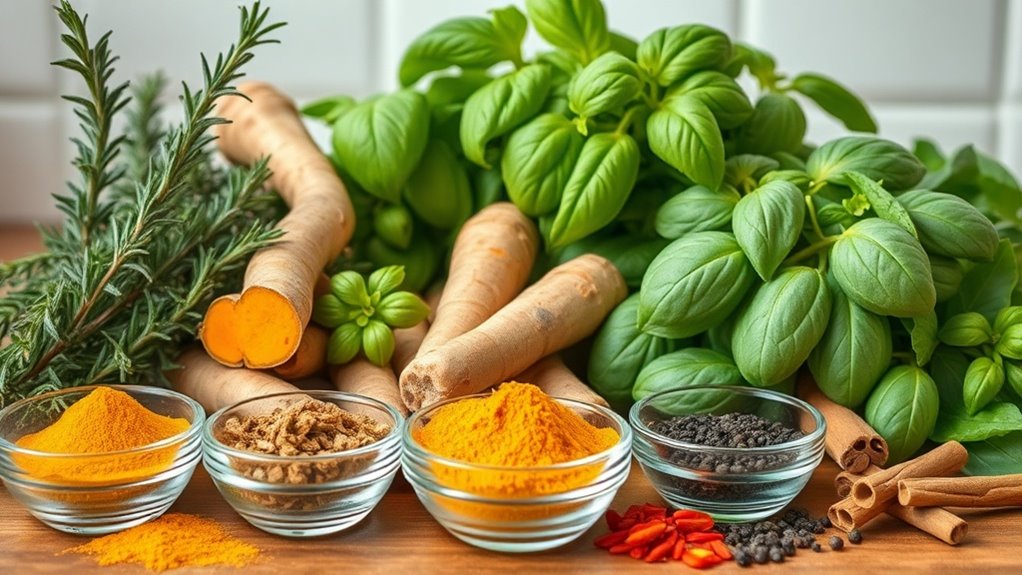
Herbs and spices with natural anti-inflammatory properties offer a targeted approach to mitigating brain inflammation through bioactive compounds that modulate inflammatory pathways. Turmeric, containing curcumin, demonstrates potent anti-inflammatory effects by crossing the blood-brain barrier and reducing neuroinflammation. Combining turmeric with black pepper’s piperine enhances curcumin absorption, amplifying its benefits. Cinnamon and ginger also possess intrinsic anti-inflammatory properties, capable of decreasing inflammatory markers within neural tissue, consequently protecting brain cells from damage. These spices influence cytokine production and downregulate pro-inflammatory mediators, contributing to improved neural health. Incorporating these herbs and spices into daily meals provides a natural, dietary strategy to combat brain inflammation. Regular use of turmeric, cinnamon, and ginger can support ongoing neuroprotection, especially when paired with other anti-inflammatory foods. By leveraging these bioactive compounds, you can harness their targeted effects to help reduce neuroinflammatory processes and promote overall brain health.
Make Smart Beverage Choices for Brain Support
Opting for smart beverage choices can considerably support brain health by reducing inflammation and enhancing neural function. Substituting sugary drinks with anti-inflammatory drinks like green tea and turmeric-infused beverages can lower neuroinflammation and protect neural tissues. Green tea contains EGCG, a potent antioxidant that diminishes pro-inflammatory cytokines and shields brain cells. Turmeric, especially when combined with piperine, provides curcumin, which easily crosses the blood-brain barrier to exert anti-inflammatory effects. Additionally, dark chocolate and unsweetened cocoa are rich in flavanols that improve cerebral blood flow and reduce inflammation. Replacing processed beverages with herbal teas or infused water stabilizes blood sugar levels and minimizes inflammation triggers. To optimize neuroprotection, incorporate these drinks into your daily routine, leveraging their bioactive compounds to support long-term brain health.
- Green tea with EGCG for antioxidant protection
- Turmeric-based anti-inflammatory drinks with piperine
- Flavanol-rich dark chocolate and cocoa for blood flow
- Herbal teas and infused waters to reduce neuroinflammation
Adopt Long-Term Dietary Habits for Brain and Overall Health
Maintaining brain health over the long term requires adopting sustainable dietary habits rooted in nutrient-dense, anti-inflammatory foods. The Mediterranean diet exemplifies this approach, emphasizing whole foods, healthy fats, and plant-based components that support anti-inflammatory effects. Consuming a variety of colorful plant foods, such as berries and leafy greens, provides antioxidants that help reduce inflammation and oxidative stress in neural tissues. Replacing processed foods and omega-6-rich vegetable oils with natural, minimally processed options sustains a balanced inflammatory response, essential for cognitive resilience. Incorporating fatty fish offers omega-3 fatty acids critical for brain structure and function. Additionally, integrating anti-inflammatory spices like turmeric and beverages such as green tea supports long-term brain health by continuously reducing chronic inflammation. Establishing these dietary patterns ensures consistent intake of neuroprotective nutrients, ultimately promoting brain integrity and reducing the risk of neuroinflammation-driven decline.
Common Questions
What Is the Best Food to Reduce Inflammation at the Brain?
The best food to reduce brain inflammation is omega-3 rich fatty fish like salmon, which provide DHA essential for neuroprotection. Incorporate turmeric benefits for its curcumin’s ability to cross the blood-brain barrier and reduce inflammation. Blueberry antioxidants combat oxidative stress, while leafy greens offer lutein and vitamin K to fight inflammation. Walnuts nutrition supplies healthy fats, and ginger’s anti-inflammatory compounds further support cognitive health. Combining these foods optimizes neuroinflammatory reduction.
How to Get Rid of Inflammation in the Brain?
To reduce brain inflammation, focus on neurodegeneration prevention by consuming antioxidant-rich snacks like berries and dark chocolate. Incorporate omega-3 benefits through fatty fish, supporting brain cell integrity. Use herbal anti-inflammatories such as turmeric and green tea to combat inflammation. Strengthen the gut-brain connection by eating fiber-rich foods, and practice stress reduction techniques to lower inflammatory cytokines, creating a thorough, evidence-based approach to managing brain inflammation.
What Is the Number One Food That Kills Inflammation?
The top food to kill inflammation is extra virgin olive oil, thanks to its healthy fats and oleocanthal, which mimics anti-inflammatory drugs. Incorporate it with antioxidant-rich berries, omega-3 sources like fatty fish, leafy greens, and turmeric benefits for enhanced effects. These foods work synergistically to reduce neuroinflammation, support brain cell health, and lower inflammatory markers, making olive oil a cornerstone in an anti-inflammatory diet.
How to Reduce Brain Inflammation in Kids?
Did you know that childhood brain inflammation can impact learning? To combat this, provide brain-boosting snacks like omega-3 sources—salmon, walnuts, flaxseeds—and incorporate colorful produce rich in antioxidants. Anti-inflammatory smoothies with turmeric can support recovery, while healthy fats from nuts and seeds help reduce inflammation. Limiting processed foods and vegetable oils high in omega-6s, plus emphasizing minimally processed foods, optimizes brain health and development in children.
To Sum it up
Incorporating these dietary strategies can markedly reduce brain inflammation, supporting cognitive health and longevity. Studies show that omega-3 fatty acids, prevalent in fatty fish, can decrease neuroinflammation by up to 20%. Consistently choosing nutrient-dense foods rich in flavonoids and healthy fats not only benefits your brain but also lowers the risk of neurodegenerative diseases. Adopting these habits offers a scientifically backed approach to optimizing brain function and overall well-being over the long term.