
To calm anxiety and boost mental performance, try deep diaphragmatic breathing to activate your vagus nerve and promote relaxation. Gentle movements like wiggling or shaking can release tension, while mindfulness helps calm worries by observing thoughts non-judgmentally. Regular exercise, good sleep, and a healthy diet also support emotional resilience. Incorporating these practical strategies can ease anxiety and sharpen focus—continue exploring how these techniques can work best for you.
Key Takeaways
- Practice deep diaphragmatic breathing to activate the vagus nerve and promote relaxation.
- Incorporate mindfulness techniques to observe thoughts non-judgmentally and reduce worry cycles.
- Engage in regular exercise and gentle movements to discharge tension and boost mood-enhancing endorphins.
- Use calming music or essential oils as safety signals to reinforce feelings of calmness.
- Maintain healthy lifestyle habits like adequate sleep, balanced diet, and social activities to strengthen emotional resilience.
Understanding the Connection Between Anxiety and Cognitive Performance
Understanding how anxiety affects your brain can help you manage its impact on your thinking. When anxiety is moderate, it can actually boost your cognitive performance by increasing alertness and focus. This is due to the stress response, which triggers the release of hormones like adrenaline that sharpen your attention. However, excessive anxiety flips the script, impairing your ability to concentrate and remember, mainly because the amygdala—your brain’s emotion center—overreacts and disrupts decision-making and working memory. Chronic anxiety further hampers your prefrontal cortex, the region responsible for planning, problem-solving, and regulating emotions. Elevated stress hormones like cortisol also damage the hippocampus, impairing learning and memory retention. Recognizing this complex relationship underscores the importance of managing anxiety levels to maintain ideal brain function. When anxiety is kept in check, your cognitive performance can flourish, helping you think clearly and perform better.
Practical Strategies to Reduce Performance Anxiety
When performance anxiety starts to interfere with your ability to focus and perform at your best, practical strategies can help you regain control. Techniques like deep diaphragmatic breathing activate the vagus nerve, fostering relaxation and reducing anxiety. Gentle movements, such as shaking or wiggling, discharge tension and signal safety to your nervous system. Mindfulness practices, observing thoughts without judgment, can break worry cycles and calm the amygdala’s response. Additionally, engaging in regular exercise releases endorphins, which override stress and boost mental clarity. Using safety signals such as calming music or essential oils further enhances feelings of relaxation before a performance.
| Technique | How it helps | Example |
|---|---|---|
| Deep diaphragmatic breathing | Activates relaxation response | Breathe deeply through your belly |
| Gentle movements | Discharges tension, signals safety | Shake your hands or wiggle your toes |
| Mindfulness | Interrupts worry, calms anxiety | Observe thoughts non-judgmentally |
| Safety signals | Reinforces calm, lowers stress | Listen to calming music or scent oils |
The Role of Lifestyle Choices in Managing Anxiety
Lifestyle choices play a crucial role in managing anxiety, as they directly influence your body’s stress response and overall emotional resilience. Engaging in regular physical activity, like aerobic exercise, releases endorphins that improve mood and reduce anxiety levels. Prioritizing adequate sleep—around 7 to 9 hours per night—helps regulate stress hormones and strengthens your ability to handle emotional challenges. Adopting a Mediterranean diet rich in fruits, vegetables, whole grains, and healthy fats supports better cognitive function and lowers anxiety symptoms. Limiting substances such as caffeine and alcohol prevents their potential to worsen anxiety and stabilize your mood. Additionally, participating in social and purposeful activities provides emotional support and promotes brain health, further buffering against stress. By making these conscious lifestyle choices, you enhance your stress management skills and build emotional resilience, creating a solid foundation for calmer, more focused mental performance.
Techniques to Strengthen Your Nervous System and Build Resilience
To effectively build resilience and calm your nervous system, incorporating specific techniques can make a significant difference in how you respond to stress. Activating the vagus nerve through deep diaphragmatic or box breathing helps shift your nervous system from fight-or-flight to a state of calm, promoting relaxation. Mindfulness practices strengthen your prefrontal cortex, improving emotional regulation and reducing stress reactivity. Engaging in mind-body activities like yoga and tai chi increases gray matter and connectivity in brain regions linked to resilience and emotional control. Cognitive restructuring techniques help reframe negative thoughts, decreasing internal stress responses and building mental resilience. Additionally, using safety signals—such as listening to soothing music or visualizing calming images—reinforces feelings of safety, supporting nervous system regulation. These evidence-based techniques empower you to actively nurture resilience, stabilizing your nervous system and fostering a calmer, more balanced mental state.
Long-Term Benefits of Consistent Stress Management Practices
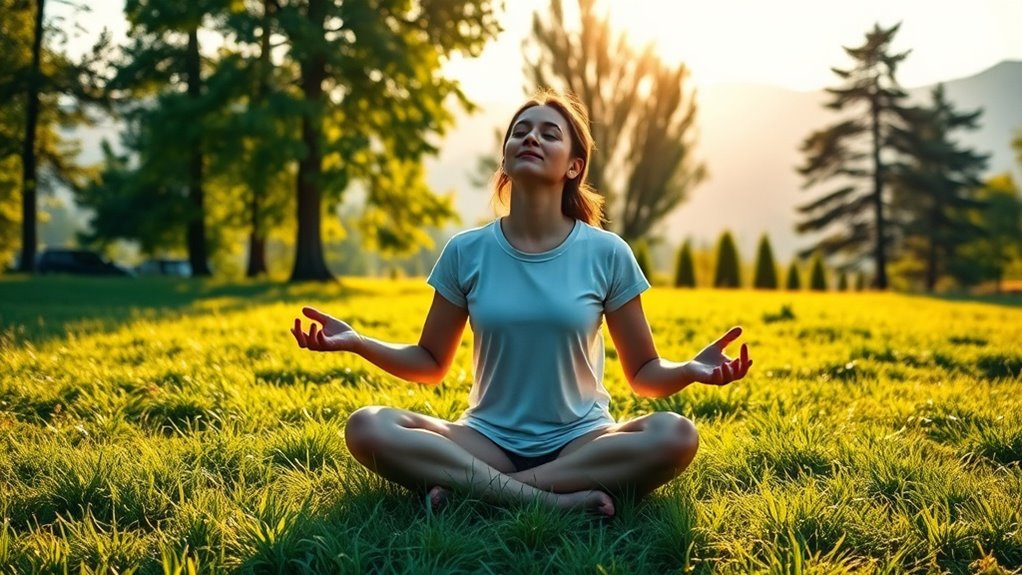
Consistently practicing stress management techniques can lead to significant long-term health benefits, supporting both your physical and mental well-being. Over time, these practices help lower blood pressure and heart rate, reducing cardiovascular risks. They also boost immune function, decreasing your susceptibility to illness and promoting overall health. Engaging in ongoing mindfulness and relaxation routines improves sleep quality, which is essential for brain repair and cognitive function. Additionally, sustained stress management increases emotional resilience, enabling you to handle future stressors with less anxiety and greater stability. Maintaining regular self-care routines supports neuroplasticity and brain self-repair, fostering long-term mental clarity. By prioritizing consistent stress management, you’re actively strengthening your mental and physical health, creating a resilient foundation that enhances your daily performance and overall quality of life. These practices not only help in the moment but also build a healthier, more balanced future.
Common Questions
What Is the 555 Rule for Anxiety?
The 555 Rule is a simple mindfulness technique involving breathing exercises to calm your anxiety. You take five deep breaths, each lasting five seconds, which activates your vagus nerve and reduces stress hormones. This method helps slow your heart rate and promotes relaxation. Regular practice enhances emotional resilience and can lessen anxiety episodes, complementing cognitive reframing strategies for better mental performance during stressful moments.
How to Quickly Calm Anxiety?
To quickly calm anxiety, start with deep breathing exercises like diaphragmatic breathing at 5-6 breaths per minute to activate your vagus nerve. Incorporate grounding strategies such as the 5-4-3-2-1 technique to shift focus to your senses. Mindfulness techniques like the butterfly hug can also promote safety. These evidence-based methods help reset your nervous system, reducing tension and restoring mental clarity swiftly.
What Is the 3-3-3 Rule for Anxiety?
Did you know that grounding methods like the 3-3-3 rule can reduce anxiety symptoms by up to 40%? This mindfulness technique involves identifying three objects, three sounds, and three sensations around you, helping shift focus away from anxious thoughts. Paired with breathing exercises, it’s an effective, portable tool to calm your nervous system quickly, making it easier to regain mental clarity and perform well under stress.
How Can Anxiety Improve Performance?
Anxiety can actually boost your performance by sharpening focus and increasing alertness. To harness this, use mindfulness techniques and breathing exercises to stay present and manage your arousal levels. Positive affirmations help reframe anxiety as excitement, boosting confidence. This combination activates neural pathways that enhance decision-making and reaction times, turning anxiety into a motivating force rather than an obstacle, ultimately helping you perform at your best under pressure.
To Sum it up
Managing anxiety isn’t just about feeling better in the moment; it’s about enhancing your overall mental performance. For example, imagine a student who implements daily breathing exercises and healthy habits, gradually reducing test anxiety and boosting focus. Consistent stress management fosters resilience, allowing you to face challenges with clarity and confidence. Remember, small, sustained steps can create lasting change—empowering you to perform at your best, even in high-pressure situations.