
To support your mental drive through nutrition, focus on consuming foods rich in omega-3 fatty acids, B vitamins, and antioxidants, which protect brain cells and boost neurotransmitter production. Incorporate fatty fish, leafy greens, nuts, and colorful fruits and vegetables into your diet. Maintaining a balanced, anti-inflammatory pattern like the Mediterranean diet can enhance mood, focus, and motivation. Building your knowledge further can help you optimize your habits for lasting mental resilience.
Key Takeaways
- Incorporate omega-3-rich foods like fatty fish and walnuts to protect neurons and support mood and cognitive function.
- Consume B vitamin-rich foods such as leafy greens, eggs, and beans to enhance neurotransmitter synthesis and mental clarity.
- Maintain a fiber-rich diet with fermented products like yogurt and kimchi to promote gut health and the microbiome-gut-brain axis.
- Prioritize complex carbohydrates and balanced meals to stabilize blood sugar and sustain mental energy and focus.
- Emphasize fruits, vegetables, nuts, and healthy fats in a Mediterranean-style pattern to reduce inflammation and boost overall mental drive.
Understanding the Link Between Diet and Brain Function
Understanding the link between diet and brain function is essential because your gut health directly influences your mental well-being. The gut microbiome, composed of trillions of bacteria, plays a critical role in regulating neurotransmitter production, such as serotonin and dopamine, which are fundamental for mood and cognition. Approximately 95% of serotonin is produced in your gastrointestinal tract, highlighting the significance of a healthy gut lining loaded with nerve cells that communicate via the gut-brain axis. Poor nutrition can lead to inflammation and oxidative stress, impairing gut barrier function and disrupting neurotransmitter synthesis. This interference can negatively impact brain function, mood, and emotional regulation. Maintaining a diet rich in fiber and fermented foods supports a balanced microbiome, promoting ideal neurotransmitter production and reducing inflammation. Recognizing how diet influences gut health and, consequently, brain function underscores the importance of nutrition in mental wellness.
The Role of Omega-3 Fatty Acids in Mental Clarity
Omega-3 fatty acids, especially EPA and DHA, are critical for protecting neuronal cell membranes and supporting overall brain integrity. Adequate intake has been linked to improved mood regulation, reducing symptoms of depression and anxiety. Incorporating fatty fish like salmon or sardines into your diet can effectively bolster mental clarity and emotional stability.
Brain Cell Protection
Since brain cell membranes rely heavily on specific fatty acids to maintain their integrity and functionality, guaranteeing adequate intake of omega-3 fatty acids is essential for peak mental clarity. Omega-3s, particularly DHA, are indispensable for brain cell protection, supporting neural communication and overall cognitive function. They help reduce inflammation, which is critical for preventing age-related decline and aiding recovery from brain injuries. Consuming omega-3-rich foods like fatty fish or supplements guarantees these essential fats support long-term brain health. Here’s a quick overview:
| Fatty Acid | Main Source | Function |
|---|---|---|
| DHA | Fish, algae | Neural communication |
| EPA | Fish, supplements | Reduces inflammation |
| Omega-3s | Fish, nuts | Protects brain cells |
| Inflammation | Diet, lifestyle | Impacts cognitive health |
Mood Regulation Support
Building on the role of omega-3 fatty acids in protecting brain cells, their influence extends beyond structural integrity to especially impact mood regulation and mental clarity. Omega-3s, particularly EPA and DHA, are crucial for supporting mental health by modulating neurotransmitter function, including serotonin and dopamine production. Research shows that higher omega-3 intake correlates with reduced symptoms of depression and enhanced mood regulation. Individuals with depression often exhibit lower levels of omega-3 fatty acids in their blood and brain tissue, highlighting their importance in mental health management. Consuming omega-3-rich foods like fatty fish (salmon, sardines) or supplements can improve cognitive function and emotional stability. Proper nutrition with omega-3 fatty acids is essential for maintaining prime mood regulation and overall mental drive.
B Vitamins and Neurotransmitter Production
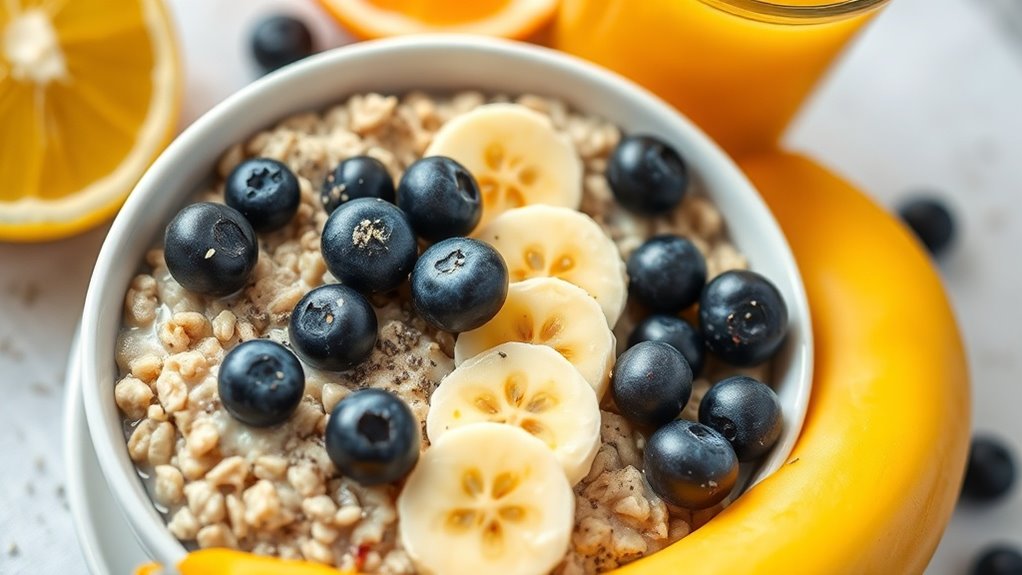
B vitamins, particularly B6, B9, and B12, are essential cofactors in the synthesis of key neurotransmitters like serotonin, dopamine, and norepinephrine, which influence mood and cognitive function. Adequate levels of these vitamins support the conversion of amino acids, such as tryptophan, into serotonin, thereby impacting emotional regulation. Ensuring sufficient intake can enhance neurotransmitter production, contributing to improved mental drive and stability.
B Vitamins Support Neurotransmitters
Adequate levels of B vitamins—particularly B6, B9 (folate), and B12—are essential for the synthesis of neurotransmitters such as serotonin, dopamine, and norepinephrine. These B vitamins act as cofactors in methylation processes critical for producing and regulating neurotransmitters that influence mood and mental drive. A deficiency in any of these nutrients can impair neurotransmitter synthesis, leading to symptoms like fatigue, depression, and cognitive decline. Proper nutrition that includes foods rich in B vitamins—such as leafy greens, eggs, dairy, beans, and fortified cereals—supports ideal neurotransmitter function and mental health. Ensuring sufficient intake helps prevent deficiency-related impairments, enhancing overall mental resilience and cognitive performance. Supplementation may also be beneficial in cases of diagnosed deficiencies or mental health concerns.
Tryptophan Conversion to Serotonin
Since tryptophan is an essential amino acid obtained through diet, its conversion to serotonin relies heavily on the availability of specific B vitamins, especially B6, B9 (folate), and B12. These B vitamins act as critical cofactors in the enzymatic process that transforms tryptophan into serotonin, a key neurotransmitter involved in mood regulation. The enzyme tryptophan hydroxylase, which catalyzes the conversion of tryptophan to 5-HTP, requires B6 to function effectively. Adequate intake of B vitamin-rich foods like leafy greens, nuts, and whole grains ensures ideal enzyme activity. Without sufficient B vitamins, the conversion process is impaired, leading to decreased serotonin synthesis and potential impacts on mental health and emotional stability.
B6 Enhances Mood Molecules
Because vitamin B6 (pyridoxine) plays a crucial role in neurotransmitter synthesis, ensuring sufficient intake can substantially influence your mood and mental clarity. Vitamin B6 is essential for producing key neurotransmitters like serotonin, dopamine, and GABA, which are critical for mood regulation and overall mental health. Deficiency in B6 impairs enzyme activity involved in converting amino acids into these mood molecules, leading to symptoms such as irritability, depression, and cognitive disturbances. Consuming foods rich in B6—such as poultry, fish, bananas, potatoes, and fortified cereals—supports optimal neurotransmitter production. Adequate B6 intake aligns with recommended daily allowances and promotes mental drive by maintaining balanced neurotransmitter levels, underscoring the importance of nutrition in sustaining emotional stability and cognitive function.
Gut Health and Its Impact on Mental Drive

Emerging research highlights the profound connection between gut health and mental drive, revealing that approximately 95% of serotonin—the neurotransmitter essential for regulating mood and motivation—is produced within the gastrointestinal tract. The gut microbiome plays an indispensable role in this process, influencing neurotransmitter production through interactions along the gut-brain axis. A balanced microbiome supports the integrity of the gut lining, reducing inflammation that can impair cognitive function and diminish mental drive. Beneficial gut bacteria synthesize mood-related neurotransmitters like serotonin and GABA, directly impacting motivation and focus. Consuming fiber-rich foods and fermented products nourishes these beneficial bacteria, promoting ideal neurotransmitter synthesis and overall gut health. Maintaining a healthy gut microbiome not only enhances digestion but also fosters a resilient gut-brain connection, which is essential for sustaining mental drive. Prioritizing gut health through nutrition forms a critical foundation for supporting cognitive vitality and emotional resilience.
Choosing Foods That Boost Mood and Focus
Choosing foods that boost mood and focus is a strategic way to optimize your mental drive through nutrition. Incorporating omega-3 fatty acids from sources like salmon and walnuts enhances brain function and stabilizes mood. Complex carbohydrates such as oatmeal and whole grains sustain steady blood sugar levels, supporting focus and mental clarity. B-vitamins found in leafy greens and eggs facilitate neurotransmitter production, elevating mood and cognitive performance. Additionally, a colorful array of fruits and vegetables supplies antioxidants that protect brain cells and reduce inflammation, further supporting mental drive. Nuts and seeds provide essential nutrients like magnesium and zinc, vital for concentration and mental stamina. To visualize these benefits:
| Nutrients | Food Sources |
|---|---|
| Omega-3 Fatty Acids | Salmon, walnuts |
| Complex Carbohydrates | Oatmeal, whole grains |
| Vitamins & Minerals | Leafy greens, eggs |
| Antioxidants | Fruits, vegetables |
Incorporating Brain-Friendly Nutrients Into Daily Meals
Integrating brain-friendly nutrients into your daily meals can considerably enhance cognitive function and mood stability. Omega-3 fatty acids, found in foods like salmon, sardines, and walnuts, support brain cell structure and facilitate efficient communication between neurons. B-vitamins, abundant in eggs, leafy greens, and whole grains, are vital for neurotransmitter production, influencing mood and mental clarity. Incorporating a variety of colorful fruits and vegetables ensures a rich intake of antioxidants, which protect brain tissue from oxidative stress and cellular damage. Including lean proteins such as chicken, beans, and tofu supplies essential amino acids necessary for synthesizing neurotransmitters like serotonin and dopamine, directly impacting focus and emotional regulation. Limiting processed sugars and refined carbs prevents blood sugar fluctuations that can impair cognitive focus and destabilize mood. By thoughtfully combining these nutrients into your meals, you create a nutritional foundation that supports sustained mental drive and overall brain health.
The Benefits of a Mediterranean-Style Eating Pattern
Adopting a Mediterranean-style eating pattern offers a scientifically supported approach to enhancing mental drive and overall well-being. This diet, rich in fruits, vegetables, whole grains, fish, and nuts, is linked to a 25-35% reduction in depression risk. Its emphasis on healthy fats like olive oil and omega-3s supports brain function, mood regulation, and neurotransmitter production. Consuming lean proteins and dairy in moderation, while limiting processed foods and added sugars, further promotes mental health. The Mediterranean diet’s anti-inflammatory properties help reduce chronic inflammation that can impair cognitive function. Additionally, increased intake of omega-3 fatty acids fosters neuroplasticity and stabilizes mood. Visualize yourself savoring vibrant salads drizzled with olive oil, enjoying flaky fish alongside roasted vegetables, and snacking on nuts — all supporting your mental drive. This pattern’s nutrient density and anti-inflammatory effects create a solid foundation for mental clarity and emotional resilience.
Practical Tips for Maintaining a Balanced Diet
To maintain a balanced diet that supports mental drive, incorporating a variety of colorful fruits and vegetables into every meal is vital. This approach guarantees you receive a broad spectrum of essential nutrients fundamental for cognitive function and overall health. Prioritize whole grains such as oats, brown rice, and whole wheat bread, which provide sustained energy and help maintain focus. Including sources of healthy fats—nuts, seeds, and fatty fish like salmon—can enhance brain health and mood regulation. To optimize your nutrition, plan meals that combine lean proteins from meats, dairy, or plant-based options with complex carbohydrates and healthy fats, creating balanced meals that support neurotransmitter synthesis. Limiting processed foods and added sugars is also essential, as high sugar intake can cause blood sugar spikes, impairing mental clarity and mood. Consistent meal planning with these principles guarantees your healthy diet sustains your mental drive effectively.
Supporting Mental Resilience Through Nutritional Choices
Building on the foundation of balanced nutrition for mental clarity, focusing on specific dietary choices can substantially bolster your mental resilience. Consuming nutrients like omega-3 fatty acids, B vitamins, and antioxidants directly supports brain health and enhances mental health. Incorporate nutrient-dense foods such as fruits, vegetables, nuts, and whole grains to promote mood stability and cognitive function. Stable blood sugar levels, achieved through balanced meals, help prevent mood swings and sustain mental energy throughout the day. Including fermented foods like yogurt and kimchi boosts gut health, which is linked to mental resilience via the microbiota-gut-brain axis. Additionally, regular intake of lean proteins and healthy fats supports neurotransmitter production, improving focus, motivation, and emotional stability. Prioritizing these dietary choices within a balanced diet not only strengthens your mental resilience but also fosters overall well-being.
Prioritize nutrient-dense foods and balanced meals to boost brain health and mental resilience naturally.
- Vibrant berries and leafy greens fueling your brain
- Nutritious nuts providing healthy fats and antioxidants
- Whole grains stabilizing blood sugar levels
- Fermented foods supporting gut health
- Lean proteins enhancing neurotransmitter synthesis
Common Questions
How to Boost Mental Health Through Better Nutrition?
To boost your mental health through better nutrition, practice mindful eating to enhance nutrient absorption and avoid overeating. Focus on nutrient timing—consume omega-3s, proteins, and complex carbs strategically throughout the day. Maintain proper hydration habits, as dehydration impairs cognitive function. Incorporate superfood benefits like berries and leafy greens, and consider dietary supplements if needed to fill nutrient gaps, supporting mood regulation and cognitive performance.
What Are the 5 C’s of Mental Health?
The 5 C’s of mental health are Connection, Confidence, Coping, Character, and Contribution. Studies show that strong neural connectivity enhances emotional resilience and cognitive flexibility, essential for stress management and mood stabilization. By fostering meaningful relationships (Connection), nurturing self-belief (Confidence), developing effective coping strategies, maintaining integrity (Character), and contributing to others, you build a robust mental foundation that promotes overall well-being and resilience.
What Is the 3-3-3 Rule Diet?
The 3-3-3 Rule Diet emphasizes meal timing, with three balanced meals and snacks daily, ensuring consistent energy levels. It promotes macronutrient balance, including three servings of vegetables, fruits, and lean proteins, supporting neurotransmitter production. Hydration strategies are essential, and portion control prevents over-eating. Consider supplements like omega-3s for brain health, and maintain steady intake to optimize mental drive and reduce mood fluctuations.
How Proper Nutrition Improves a Person’s Mental Alertness?
Proper nutrition enhances your mental alertness by providing brain-boosting foods rich in omega-3 benefits, such as fish and walnuts, which support neuron function. Nutrient timing guarantees stable blood sugar levels, preventing energy dips. Staying well-hydrated maintains ideal brain function, while addressing vitamin deficiencies, especially B6 and B12, boosts neurotransmitter production. Incorporating antioxidant-rich foods like berries also protects brain cells from oxidative stress, all contributing to heightened mental clarity.
To Sum it up
So, next time you’re tempted to hit snooze on that healthy breakfast or opt for processed snacks, remember—your brain’s own personal cheerleader is waiting for the right fuel. Proper nutrition isn’t just about avoiding deficiencies; it’s about giving your mental drive the VIP treatment it deserves. Neglect it, and you might find your cognitive resilience turning into a fleeting guest—proof that fueling your body is really fueling your brain’s potential.